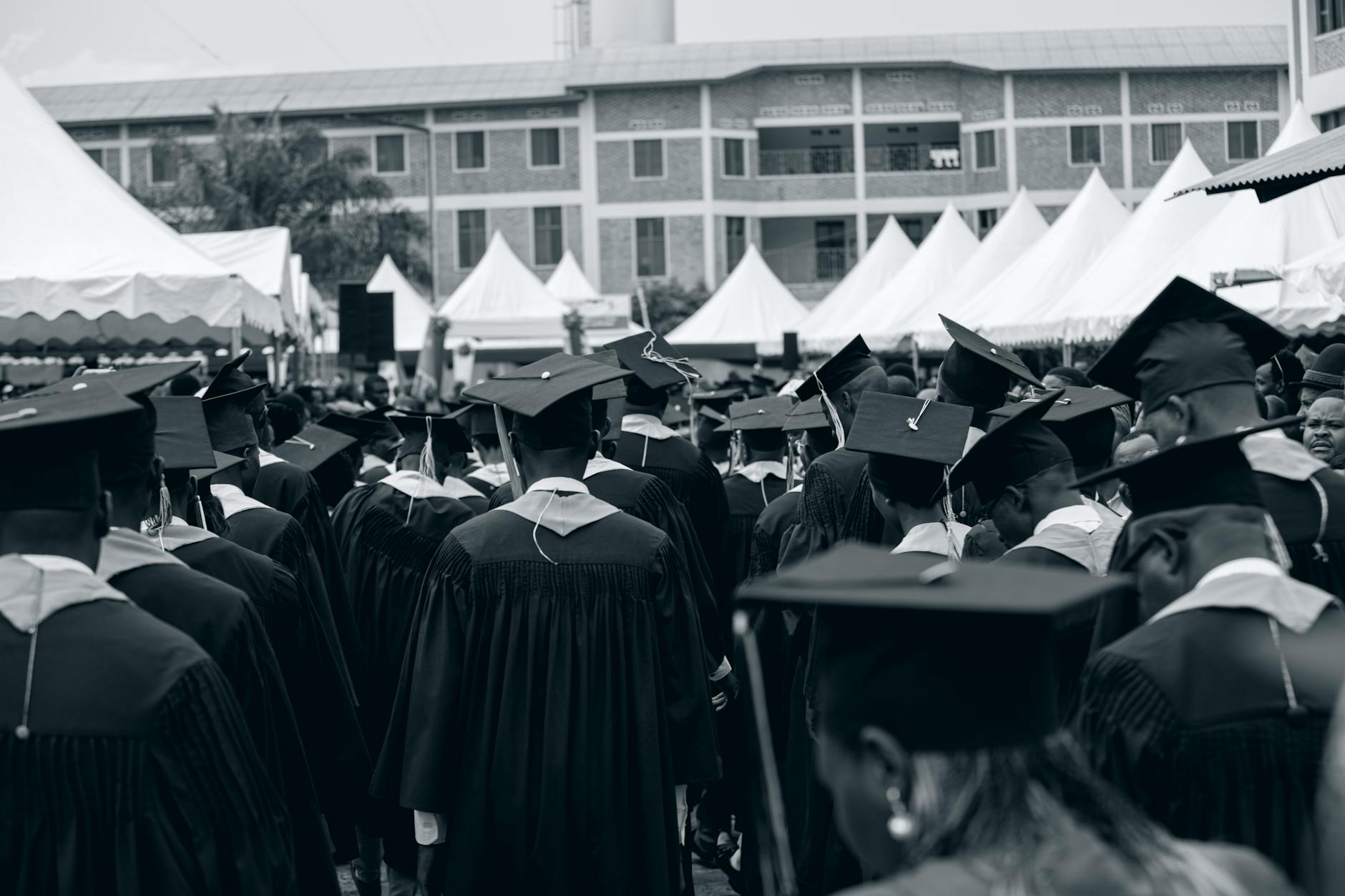
Utah scholarships can make a significant difference for students pursuing higher education in the Beehive State. Utah already boasts some of the most affordable tuition rates in the nation. However, thousands of dollars in state-funded scholarships, grants, and institutional aid go unclaimed each year.
Whether you are a high school senior preparing for college or a current student seeking additional funding, understanding the full landscape of utah scholarships is essential. This guide covers every major state program, institutional award, and financial aid strategy available to Utah residents. From the Opportunity Scholarship to full-tuition promises at the University of Utah, there are real programs with real money waiting. The key is knowing where to look and when to apply.
Utah State-Funded Scholarships and Grants
Utah funds several merit-based and need-based programs through the Utah System of Higher Education (USHE). The most important is the Opportunity Scholarship, which replaced the legacy Regents’ Scholarship and New Century Scholarship in 2021. This achievement-based award provides up to $1,000 per semester for up to four semesters. Students must complete three advanced courses in high school and file the FAFSA. The priority deadline for the Class of 2026 is January 23, 2026, with a final deadline of March 20, 2026.
For need-based aid, the Higher Education Success Stipend Program (HESSP) provides grants to students with demonstrated financial need. This program is available at all ten USHE institutions plus BYU, Westminster College, and Ensign College. Students apply through their school’s financial aid office. In addition, the Utah Promise Grant serves as a last-dollar grant covering remaining tuition costs for eligible students.
Future educators should explore the T.H. Bell Education Scholarship. This state-funded award covers resident tuition, fees, and books for up to four years. Recipients must pursue an educator preparation program and teach in Utah public schools. The application window for 2026-27 opens December 15, 2025, and closes February 28, 2026. As a result, students interested in teaching should plan ahead.
Top Utah Scholarships Programs
| Scholarship Name | Award Amount | Deadline | Eligibility |
|---|---|---|---|
| Opportunity Scholarship | Up to $1,000/semester | March 20, 2026 | Utah HS seniors, 3 advanced courses, FAFSA filed |
| University of Utah — For Utah | Full tuition (4 years) | February 1 (FAFSA) | Utah resident, Pell Grant eligible, 3.0+ GPA |
| University of Utah — Utah Promise | Full tuition (4 years) | February 1 (FAFSA) | Household income and assets under $100,000 |
| USU Presidential Scholarship | Full tuition + fees | December 1 | Top academic achievers, Utah resident |
| USU Deans Scholarship | $7,000/year | December 1 | Strong academic record, Utah resident |
| T.H. Bell Education Scholarship | Tuition, fees, and books | February 28, 2026 | Future teachers at participating Utah schools |
| HESSP (UCOPE) Grant | Varies by institution | Varies | Need-based, enrolled at least half-time |
| Daniels Fund Scholarship | Full cost of attendance | November 15 | Utah resident, need-based, strong character |
Among these utah scholarships, the Daniels Fund Scholarship stands out as one of the most generous. It is a last-dollar award covering tuition, fees, room, board, books, and supplies. Typically, recipients demonstrate strong community involvement and leadership. The application process is competitive but transformative for students with financial need.
The University of Utah’s For Utah and Utah Promise programs are also exceptional. For example, the For Utah Scholarship covers four full years of tuition for Pell-eligible students. Students must apply for admission by December 1 and file the FAFSA by February 1. These utah scholarships have made the U of U one of the most accessible flagship universities in the West.
Cost of College in Utah
Utah remains one of the most affordable states for higher education. In-state tuition at the University of Utah runs approximately $9,900 per year. Utah State University costs around $8,700 annually. Weber State University is even more affordable at roughly $6,700 per year. These figures are well below national averages.
Community college is an even more budget-friendly option. Salt Lake Community College charges approximately $4,500 per year in tuition and fees. That works out to about $179 per credit hour. For students who want to save money before transferring, community college is a smart first step. While you are budgeting for college, students renting near campus should compare renters insurance at Home Insure Guide to protect their belongings at an affordable rate.
Nationally, the average public four-year tuition is approximately $9,700. Utah’s public university average sits near $6,979. That means Utah students pay roughly 28 percent less than the national average. BYU offers even lower tuition at about $6,880 per year for LDS members. As a result, utah scholarships combined with low tuition make the state exceptionally affordable for college.
Utah FAFSA Tips and State Deadlines
Utah does not have a single statewide FAFSA deadline. Instead, each institution sets its own priority filing date. However, most competitive utah scholarships require the FAFSA to be filed by early February. The University of Utah sets a February 1 priority deadline. Filing early is critical for maximizing state and institutional aid.
The federal FAFSA deadline is June 30 of the award year. In most cases, waiting until June means missing out on significant state aid. Students should aim to submit their FAFSA as soon as it opens in October. This gives financial aid offices time to process awards before enrollment deadlines.
One important tip is to list your preferred Utah school as your first FAFSA school code. Some institutions prioritize aid based on this. Additionally, make sure your family’s tax information is accurate and complete. Errors on the FAFSA can delay processing and cost you money. Typically, corrections take two to three weeks to process.
Best Utah Universities for Financial Aid
The University of Utah leads the state with its For Utah and Utah Promise programs. Both cover full tuition for four years. The For Utah Scholarship targets Pell-eligible students with a 3.0 GPA requirement. The Utah Promise Scholarship serves families with income and assets each under $100,000 but requires a 3.5 GPA. These programs make the flagship campus genuinely accessible.
Utah State University offers tiered merit scholarships that reward strong academics. The Presidential Scholarship covers full tuition plus student body fees. The Deans Scholarship provides $7,000 per year. USU also runs its own Utah State Promise program for need-based students. For example, students can stack institutional and state utah scholarships for substantial savings.
Weber State University deserves attention for its low base tuition and tuition freeze program. Students with fewer than 60 credits may qualify for locked tuition rates. Southern Utah University and BYU also provide competitive financial aid packages. BYU’s church-subsidized tuition makes it one of the most affordable private universities in the country. Students looking to stretch their dollars further can check out bank sign-up bonuses at Bonus Bank Daily to earn extra cash for textbooks or living expenses.
How to Maximize Utah Scholarships
Start early. The most competitive utah scholarships have fall and winter deadlines. High school juniors should begin researching programs in the spring. By senior year, you should have a list of at least ten scholarships with deadlines mapped out. Procrastination is the biggest reason students miss free money.
Take advantage of the Opportunity Scholarship by completing advanced coursework in high school. AP, IB, and concurrent enrollment courses all qualify. This single step can unlock up to $4,000 in state funding. Additionally, file your FAFSA the day it opens to maximize need-based utah scholarships. Priority filers get first access to limited funding pools.
Do not overlook smaller institutional and community scholarships. Many Utah schools offer departmental awards of $500 to $2,000. These smaller utah scholarships have fewer applicants and better odds. Check with your school’s financial aid office and local community foundations. In most cases, students who apply broadly receive more total aid than those chasing one large award.
Frequently Asked Questions
What is the easiest utah scholarship to get?
The Opportunity Scholarship is the most accessible state-funded award. Students need to complete three advanced high school courses and file the FAFSA. However, institutional scholarships at community colleges often have even simpler requirements.
Can undocumented students get utah scholarships?
Utah allows qualifying undocumented students to pay in-state tuition under HB 144. However, federal financial aid through the FAFSA is not available. Some institutional and private scholarships do not require citizenship status.
When should I start applying for utah scholarships?
Typically, students should begin applications in the fall of their senior year. The earliest priority deadlines hit in November and December. As a result, starting in October gives you the best chance at competitive awards.
Explore More Scholarship Resources
Looking for more scholarships, financial aid guides, and strategies to pay for college? Browse our complete library of scholarship resources.
Official Sources & Resources
For verified information on scholarships, financial aid, and federal student programs:
- Federal Student Aid: studentaid.gov
- U.S. Department of Education: ed.gov
- College Board: collegeboard.org
- NASFAA (National Association of Student Financial Aid Administrators): nasfaa.org
- NCES (National Center for Education Statistics): nces.ed.gov
- IRS Education Credits: irs.gov
Content last reviewed April 2026. If you notice any outdated information, please contact us.