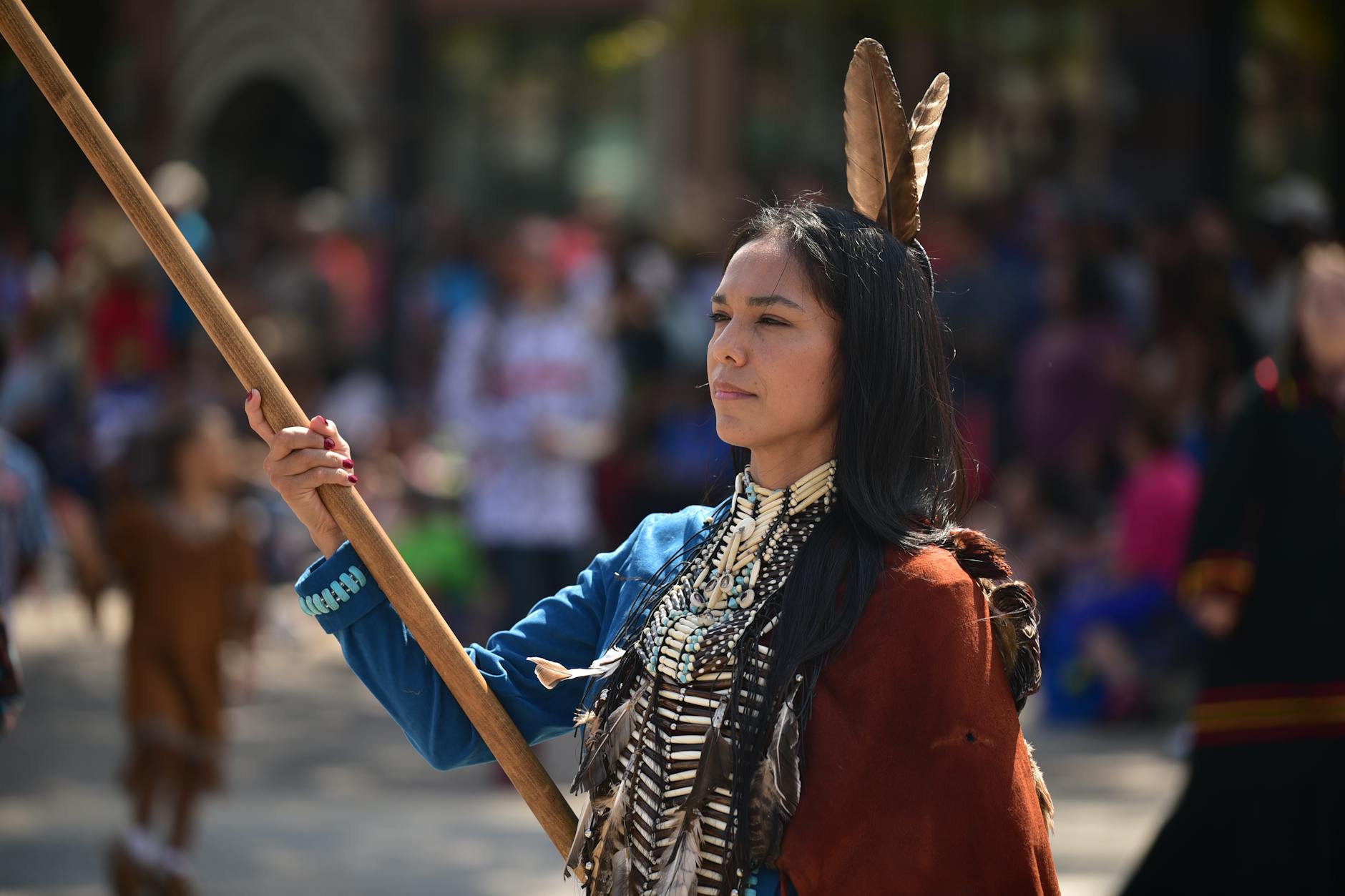
Scholarships native american students can access today represent billions in dedicated funding. Native American and Indigenous communities have long faced barriers to higher education. However, tribal nations, federal agencies, and private foundations have created substantial financial aid programs to close this gap. Currently, over 574 federally recognized tribes offer some form of education assistance.
National organizations like the American Indian College Fund distribute more than $21 million annually. These dedicated awards exist because Indigenous students graduate college at lower rates than any other demographic group. As a result, targeted scholarship programs aim to remove financial obstacles and support tribal communities through education. Understanding the full landscape of available funding is the first step toward covering tuition, fees, and living costs.
Top Scholarships Native American Students Awards
| Scholarship Name | Award Amount | Deadline | Eligibility |
|---|---|---|---|
| IHS Health Professions Scholarship | Full tuition + $1,500/month stipend | December 15 | Tribal member pursuing health degree; 2-year service commitment |
| The Gates Scholarship | Full cost of attendance | September 15 | Native American; 3.3+ GPA; Pell Grant eligible |
| Cobell Scholarship | $5,000 – $30,000 | March 31 | Enrolled member of federally recognized tribe |
| AISES A.T. Anderson Memorial | $5,000 – $12,500 | March 31 | AISES member; STEM major; Native American |
| Native Forward Scholars Fund | $5,000 – $12,500 | June 1 | Enrolled member or descendant of recognized tribe |
| Udall Undergraduate Scholarship | $7,500 | March 4 | Tribal affiliation; 3.0+ GPA; tribal policy or environment focus |
| Cherokee Nation Foundation Scholarships | $500 – $5,000+ | January 31 | Cherokee Nation citizen |
| American Indian College Fund | $2,000 – $3,000 | May 31 | Enrolled or descendant; 2.0+ GPA; full-time enrollment |
| Navajo Nation (ONNSFA) Scholarship | $1,000 – $2,500/term | June 25 | Enrolled Navajo member; FAFSA required |
| BIE Higher Education Grant | $500 – $4,000/year | Varies by tribe | Federally recognized tribe; 1/4 Indian blood; financial need |
| Truman D. Picard Scholarship | $2,000 – $4,000 | March 20 | Native American; natural resources or forestry major |
| Catching the Dream (MESBEC) | $500 – $5,000 | March 15 | Native American; STEM, business, or education major |
| AIEF Scholarship | Up to $2,000 | April 4 | Native American, Alaska Native, or Native Hawaiian |
| Osage Nation Higher Education | Varies (need-based) | June 16 | Osage Nation member; pursuing associate degree or above |
| Wells Fargo American Indian Scholarship | $2,500 – $5,000 | Varies | Native American junior/senior or graduate student in business |
The Indian Health Service scholarship is among the most generous scholarships native american students can receive. It covers full tuition, required fees, and a monthly stipend of $1,500. In exchange, recipients commit to two years of service at an IHS facility after graduation. For example, students pursuing medicine, nursing, dentistry, or pharmacy all qualify. This program is administered by the U.S. Department of Health and Human Services.
The Cobell Scholarship deserves special attention. It was created from a historic $40 million land trust settlement. Undergraduate students can receive up to $10,000 annually. Graduate dissertation fellows may receive up to $30,000. Typically, applicants must be enrolled members of federally recognized tribes. The Gates Scholarship is another top-tier option covering full cost of attendance for Pell-eligible students.
STEM-focused students should explore AISES awards. The A.T. Anderson Memorial Scholarship provides up to $12,500 for graduate students. AISES distributes over $1 million in scholarships native american students use each year. In most cases, applicants must hold an AISES membership and pursue a science, technology, engineering, or math degree.
Eligibility Requirements for Scholarships Native American Students
The most common requirement for scholarships native american students apply to is proof of tribal enrollment. This means having a Certificate of Degree of Indian Blood (CDIB) or a tribal enrollment card. Some programs accept documented descendancy from an enrolled member. However, each scholarship defines eligibility differently. Students should contact their tribal enrollment office early. Processing times can take weeks or even months depending on the tribe.
Federal programs like the BIE Higher Education Grant require at least one-quarter Indian blood. They also require FAFSA filing and enrollment at an accredited institution. Most need-based scholarships native american students pursue will require a current FAFSA on file. A minimum GPA of 2.0 is standard for need-based awards. Merit-based programs typically require a 3.0 or higher.
Some programs require a Tribal Eligibility Certificate. Native Forward Scholars Fund uses this specific document. Full-time enrollment of 12 or more credits is standard for undergraduates. Graduate students usually need at least 6 credits per term. U.S. citizenship is required for all federal programs.
Application Tips for Scholarships Native American Students
Start with your own tribe’s education department. Nearly every federally recognized tribe offers some form of higher education assistance. These tribal awards are often less competitive than national programs. As a result, they provide a strong financial foundation you can build upon. Stack multiple awards together for maximum coverage. For example, a Navajo STEM student could combine ONNSFA aid, an AISES scholarship, a Cobell award, and a BIE grant.
Essay committees want authentic stories about your connection to your community. Write about how your education will benefit your tribe. Avoid generic statements about wanting to help people. Instead, describe specific community challenges you want to address. Scholarships native american students win often go to applicants who clearly articulate their cultural identity and goals. Letters of recommendation from tribal leaders or elders carry significant weight.
Get your documentation together during junior year of high school. File your FAFSA every single year without exception. Many scholarships native american students miss out on require FAFSA data they never submitted. While managing college finances, students renting near campus should compare renters insurance at Home Insure Guide to protect their belongings affordably. Also consider ways to stretch your budget further. You can check out bank sign-up bonuses at Bonus Bank Daily to earn extra cash for textbooks or living expenses.
Where to Find More Scholarships Native American Students
The American Indian College Fund manages over 300 scholarship opportunities. This is the single largest source of scholarships native american students should explore first. Native Forward Scholars Fund offers a scholarship finder tool with 30 or more programs. AISES focuses specifically on STEM fields and awards over $1 million annually. These three organizations cover the broadest range of disciplines and degree levels.
🎓 Get Free Scholarship Alerts
Free · No spam · Unsubscribe anytime
Your tribal education department is another essential resource. In most cases, tribes maintain their own scholarship funds separate from national programs. The Cherokee Nation Foundation alone awarded over $500,000 to 108 students in one recent academic year. The Navajo Nation, Osage Nation, and hundreds of other tribes run similar programs. Contact your tribe’s education office directly to learn what is available.
State-level resources also exist. The Minnesota Office of Higher Education publishes a comprehensive Native American scholarship database listing over 100 programs. Typically, your college’s financial aid office can point you toward region-specific awards. Tribal Colleges and Universities often have dedicated funding streams through the American Indian College Fund that mainstream institutions do not offer.
Frequently Asked Questions
Do I need tribal enrollment to qualify for scholarships native american students receive?
In most cases, yes. The majority of programs require proof of enrollment in a federally or state-recognized tribe. However, some scholarships accept documented descendancy or membership in non-federally recognized tribes. A CDIB card or tribal enrollment number is the most commonly requested document.
Can scholarships native american students apply for be combined with federal aid?
Yes. Typically, tribal and private scholarships can be stacked with Pell Grants, federal loans, and institutional aid. For example, students often combine BIE grants with tribal scholarships and national awards. As a result, many students cover their full cost of attendance through multiple funding sources.
When should I start applying for scholarships native american students are eligible for?
Start during your junior year of high school. This gives time to secure tribal enrollment documents and file your first FAFSA. However, many awards are renewable and open to current college students too. Typically, deadlines fall between January and June for the following academic year.
Explore More Scholarship Resources
Looking for more scholarships, financial aid guides, and strategies to pay for college? Browse our complete library of scholarship resources.
Official Sources & Resources
For verified information on scholarships, financial aid, and federal student programs:
- Federal Student Aid: studentaid.gov
- U.S. Department of Education: ed.gov
- College Board: collegeboard.org
- NASFAA (National Association of Student Financial Aid Administrators): nasfaa.org
- NCES (National Center for Education Statistics): nces.ed.gov
- IRS Education Credits: irs.gov
Content last reviewed April 2026. If you notice any outdated information, please contact us.