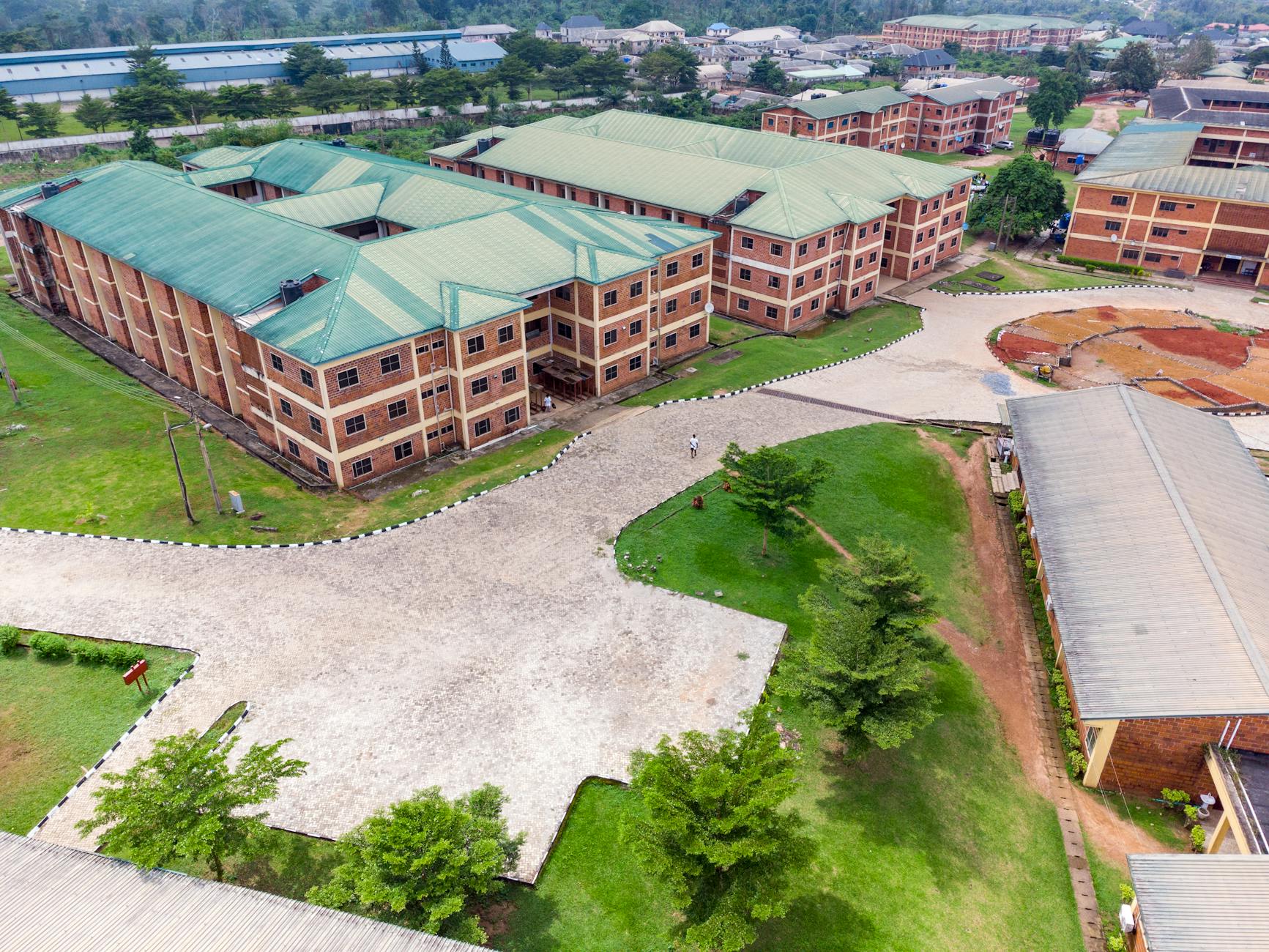
Oklahoma scholarships open doors for thousands of students each year. The state offers a strong mix of merit-based awards, need-based grants, and specialized programs. Whether you attend a large research university or a community college, financial help is available. Oklahoma ranks among the most affordable states for higher education.
However, many students still miss out on free money simply because they do not apply. This guide covers every major state-funded program, top institutional awards, and practical tips. As a result, you will know exactly where to find oklahoma scholarships and how to win them. The key is starting early and filing your FAFSA on time.
Oklahoma State-Funded Scholarships and Grants
The Oklahoma State Regents for Higher Education administer several major financial aid programs. These programs use a mix of merit and need-based criteria. For example, Oklahoma’s Promise is the state’s flagship scholarship for low-income families. It covers full resident tuition at any Oklahoma public college or university. Students must enroll in the program during 8th, 9th, or 10th grade. Family income must be $60,000 or less at application. At college entry, household income must stay below $100,000.
Oklahoma’s Promise requires a 2.50 high school GPA in the college-prep curriculum. Students must also complete community service hours and avoid substance abuse issues. In most cases, the award lasts up to five years of undergraduate study. This single program has helped over 80,000 Oklahoma students attend college. It remains one of the best oklahoma scholarships for families planning ahead.
The Academic Scholars Program targets top-performing students. National Merit Finalists and Presidential Scholars qualify automatically. Other students may be nominated by their university with an ACT score of 32 or higher. Awards reach up to $5,500 per year at comprehensive universities. Regional university students receive up to $4,000 annually. However, recipients must maintain a 3.25 college GPA to keep the scholarship.
Top Oklahoma Scholarships Programs
| Scholarship Name | Award Amount | Deadline | Eligibility |
|---|---|---|---|
| Oklahoma’s Promise | Full resident tuition | Enroll by 10th grade | Family income under $60,000; 2.50 GPA |
| Academic Scholars Program | Up to $5,500/year | Varies by institution | ACT 32+ or National Merit Finalist |
| Oklahoma Tuition Aid Grant (OTAG) | $1,000–$1,300/year | FAFSA by March 1 | Need-based; Oklahoma resident |
| Oklahoma Tuition Equalization Grant (OTEG) | ~$2,000/year | FAFSA by March 1 | Attend private nonprofit college in OK |
| Regional University Baccalaureate Scholarship | Tuition + ~$3,000/year | Varies by university | ACT 30+; strong academic record |
| Future Teachers Scholarship | Up to $1,500/year | Varies | Education majors; commit to teach in OK |
| William P. Willis Scholarship | Varies by institution | Determined by school | Low-income students at each state college |
| George and Donna Nigh Scholarship | $1,000 | Varies | Public service commitment |
Among these oklahoma scholarships, the Academic Scholars Program and Oklahoma’s Promise stand out. They cover the largest portion of college costs. The Regional University Baccalaureate Scholarship is also highly competitive. It rewards students who choose smaller regional campuses over flagship universities. Typically, fewer applicants compete for these awards. That gives strong students better odds at regional schools.
Need-based oklahoma scholarships like OTAG and OTEG fill important gaps. OTAG funding is limited and awarded on a first-come basis. As a result, filing your FAFSA early is critical. OTEG specifically helps students attending private colleges like Oklahoma City University or the University of Tulsa. Both grants require annual renewal through the FAFSA.
Cost of College in Oklahoma
Oklahoma remains one of the most affordable states for higher education. Average in-state tuition and fees at public four-year universities run approximately $8,000 to $10,000 per year. The national average sits closer to $11,300. That means Oklahoma students save $1,000 to $3,000 annually just by studying in-state. Community colleges cost even less, typically $4,000 to $5,500 per year.
Private institutions carry higher price tags. The University of Tulsa lists tuition above $45,000 per year before aid. However, generous merit packages often reduce the actual cost significantly. For example, many TU students receive $20,000 or more in institutional scholarships. Oklahoma Baptist University and Oklahoma Christian University also offer substantial faith-based awards.
Students renting apartments near campus should also budget for insurance. You can compare renters insurance at Home Insure Guide to find affordable coverage that protects your belongings. Typically, renters insurance costs students just $10 to $20 per month. That small expense can save thousands if theft or damage occurs.
Oklahoma FAFSA Tips and State Deadlines
The FAFSA opens on October 1 each year. Oklahoma’s state priority deadline for need-based aid is typically around March 1. However, funds for programs like OTAG run out quickly. Filing in October or November gives you the best chance. Do not wait until the deadline approaches.
Many Oklahoma universities set their own priority deadlines between February 1 and March 15. For example, the University of Oklahoma recommends filing by February 1 for maximum consideration. Oklahoma State University follows a similar timeline. Missing these dates does not disqualify you. However, it may reduce your total award package significantly.
One common mistake is not listing enough schools on your FAFSA. You can include up to 10 colleges at a time. List every Oklahoma school you are considering. This ensures each financial aid office receives your information automatically. As a result, you will receive aid offers from multiple institutions to compare.
Best Oklahoma Universities for Financial Aid
The University of Oklahoma offers average financial aid packages of $15,000 to $18,000 per year. OU publishes a clear scholarship matrix based on ACT scores and GPA. Students with a 33 ACT and 3.9 GPA can earn significant merit awards. In most cases, these scholarships stack with oklahoma scholarships from the state.
🎓 Get Free Scholarship Alerts
Free · No spam · Unsubscribe anytime
Oklahoma State University provides competitive merit aid through a similar matrix system. OSU is known for generous out-of-state tuition waivers as well. The University of Central Oklahoma offers strong value for students seeking affordability. UCO’s lower tuition combined with institutional grants makes it one of the most budget-friendly options. Typically, UCO students graduate with less debt than the state average.
The University of Tulsa stands out among private schools. Despite high sticker prices, TU’s average aid packages offset much of the cost. Oral Roberts University also provides substantial scholarships for qualifying students. Students exploring oklahoma scholarships should request net price estimates from each campus. Every accredited Oklahoma university has a net price calculator on its website.
How to Maximize Oklahoma Scholarships
Start with Oklahoma’s Promise if you qualify. Enrolling in 8th or 9th grade locks in the benefit years before college. For high achievers, the Academic Scholars Program offers the largest state-funded merit award. However, even students without top test scores can find oklahoma scholarships through OTAG and institutional aid. The key is applying broadly and filing early.
Many students overlook smaller awards. The William P. Willis Scholarship exists at every state institution. The Future Teachers Scholarship targets education majors willing to teach in Oklahoma. The George and Donna Nigh Scholarship rewards public service commitment. These lesser-known oklahoma scholarships face less competition. Applying for five smaller awards often beats chasing one large one.
Students can also earn extra cash to cover textbooks and living expenses. You can check out bank sign-up bonuses at Bonus Bank Daily to find current promotions worth $100 to $300. That money goes a long way toward course materials. For example, combining two bank bonuses could cover an entire semester of books. Every dollar you earn outside of oklahoma scholarships reduces your borrowing needs.
Frequently Asked Questions
What GPA do you need for Oklahoma’s Promise?
You need a 2.50 cumulative high school GPA in the required college-prep curriculum. In college, you must maintain at least a 2.00 GPA. However, you must also meet income requirements and complete community service hours to stay eligible.
Can you get oklahoma scholarships if you attend a private college?
Yes, several programs cover private institutions. For example, OTEG provides approximately $2,000 per year for students at accredited private nonprofit colleges in Oklahoma. Oklahoma’s Promise also applies at private schools, paying the equivalent of public tuition. As a result, private college students can still benefit from state aid.
When is the FAFSA deadline for oklahoma scholarships?
Oklahoma’s state priority deadline is typically around March 1. However, many universities set earlier priority dates in February. Typically, filing your FAFSA in October or November gives you the strongest position for all available oklahoma scholarships and need-based grants.
Explore More Scholarship Resources
Looking for more scholarships, financial aid guides, and strategies to pay for college? Browse our complete library of scholarship resources.
Official Sources & Resources
For verified information on scholarships, financial aid, and federal student programs:
- Federal Student Aid: studentaid.gov
- U.S. Department of Education: ed.gov
- College Board: collegeboard.org
- NASFAA (National Association of Student Financial Aid Administrators): nasfaa.org
- NCES (National Center for Education Statistics): nces.ed.gov
- IRS Education Credits: irs.gov
Content last reviewed April 2026. If you notice any outdated information, please contact us.