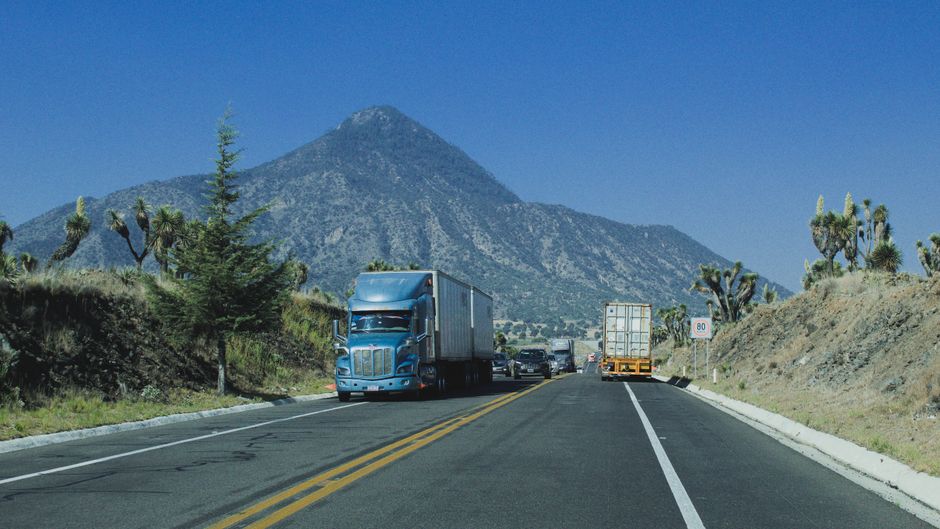
The typical cdl training cost runs about $3,000 to $10,000 at a private truck driving school and roughly $1,500 to $5,000 at a community college, and most full-time programs take three to seven weeks. That is the short answer. The longer answer is that what you pay depends heavily on who is paying — you, a workforce grant, or a trucking company that fronts the money in exchange for a work commitment.
- What Your CDL Training Cost Actually Covers
- How Long CDL Training Takes
- Comparing CDL Training Cost by Program Type
- Company-Sponsored Training and the Hidden CDL Training Cost
- Ways to Reduce Your CDL Training Cost
- What Truckers Actually Earn After Paying the CDL Training Cost
- What Most People Get Wrong About CDL Training Cost
- Frequently Asked Questions
Here is what actually happens. You get a commercial learner’s permit, complete federally required training through an approved provider, practice behind the wheel, then take a state skills test. The Federal Motor Carrier Safety Administration requires that anyone getting a CDL for the first time complete Entry-Level Driver Training — both theory and behind-the-wheel instruction — from a provider listed on FMCSA’s Training Provider Registry. That registry requirement has been in effect since February 7, 2022.
The pay side matters just as much as the cdl training cost. According to the Bureau of Labor Statistics Occupational Outlook Handbook, the median annual wage for heavy and tractor-trailer truck drivers was $57,440 in May 2024. That number is real, but first-year drivers usually earn well below it. This guide walks through both halves honestly so you can decide whether the math works for you.
What Your CDL Training Cost Actually Covers
Tuition is only part of the bill. A full cdl training cost includes classroom theory hours, range time, behind-the-wheel road instruction, and usually the use of the school’s truck for your skills test. Some schools bundle testing fees and permit prep. Others charge separately. Always ask for an itemized list in writing before you sign anything.
Outside tuition, you should budget for a DOT physical, a drug screen, permit and license fees at your state DMV, and — if the school is far from home — lodging and food. These extras commonly add several hundred to over a thousand dollars. Exact fees vary by state, so check your state DMV’s published CDL fee schedule rather than trusting a school’s estimate.
One thing your cdl training cost does not buy is a job offer. The Federal Trade Commission states plainly in its guidance on choosing a vocational school that a school is not an employment agency and no school can guarantee you a job when you graduate. Treat any promise of guaranteed placement or guaranteed income as a reason to slow down and verify.
How Long CDL Training Takes
Most full-time Class A programs run three to seven weeks. Part-time and weekend formats stretch the same hours across two to four months. Federal rules set the training content, not a fixed number of weeks — ELDT requires you to demonstrate proficiency in the behind-the-wheel curriculum, so a slower learner may need more seat time than the brochure advertises.
There is also a built-in waiting period. Under current FMCSA rules, you must hold your commercial learner’s permit for 14 days before you are eligible to take the CDL skills test. FMCSA has proposed eliminating that 14-day wait, so confirm the current rule with your state licensing agency before you plan your calendar around it.
Comparing CDL Training Cost by Program Type
The four common paths differ less in what you learn than in who carries the financial risk. This table summarizes the typical trade-offs. Figures are common industry ranges, not fixed prices — schools set their own tuition and it varies widely by state and metro area.
| Path | Typical upfront cost | Typical length | Main trade-off |
|---|---|---|---|
| Community college program | Roughly $1,500–$5,000 | 4–10 weeks | Cheapest; may have waitlists and fixed start dates |
| Private CDL school | Roughly $3,000–$10,000 | 3–7 weeks | Fast and flexible; quality varies a lot |
| Company-sponsored training | Often $0 upfront | 3–4 weeks plus mentored miles | Contract commitment, usually 12–24 months |
| Employer tuition reimbursement | You pay first, get repaid monthly | Varies | Requires cash up front and staying employed |
Company-Sponsored Training and the Hidden CDL Training Cost
Carriers that advertise “free” CDL school are not lying, but the cdl training cost does not disappear — it converts into a contract. You typically agree to drive for that company for 12 to 24 months. Leave early and the unearned portion of the training value usually becomes a debt you owe, often prorated by month.
Before signing, get the actual contract and read three things: the dollar amount assigned to your training, how it prorates if you quit, and what happens if the company fires you or you are injured. Ask whether the debt is reported to credit bureaus or sold to a collection agency. These terms differ by carrier — there is no federal standard, so the written contract is the only reliable source.
This is not a warning against company-sponsored programs. For someone with no savings, converting a $6,000 cdl training cost into a year of employment can be a genuinely reasonable trade. It only becomes a problem when the driver has not read the exit terms.
Ways to Reduce Your CDL Training Cost
Several public funding streams exist, though eligibility varies by state and by program:
- WIOA workforce funding. Local American Job Centers can sometimes cover training at approved providers. Eligibility and award amounts are set locally, so contact your nearest center directly.
- Workforce Pell Grants. Federal law extends Pell to short-term programs generally effective July 20, 2026, covering programs of 8 to 15 weeks and 150 to 599 clock hours that meet completion, placement, and earnings standards and receive state approval. Many programs will not qualify at launch.
- Traditional Pell Grants. If the CDL program is offered by a Title IV–eligible college, federal aid may apply. Whether your specific program qualifies is a school-level determination — ask that college’s financial aid office directly, and verify aid basics at studentaid.gov.
- Veterans benefits. GI Bill funds can cover approved CDL programs; confirm approval through VA.
- Employer reimbursement. Many carriers repay tuition in monthly installments once you are driving for them.
Because financial aid rules differ by school and program, never assume a figure you read online applies to you. Your school’s financial aid office is the only office that can tell you what your actual cdl training cost will be after aid.
What Truckers Actually Earn After Paying the CDL Training Cost
Anchor your expectations to federal data, not recruiter ads. BLS reports the May 2024 median annual wage for heavy and tractor-trailer truck drivers at $57,440. The lowest 10 percent earned less than $38,640 and the highest 10 percent earned more than $78,800. New drivers generally start near the bottom of that range and move up with experience and endorsements.
🎓 Get Free Scholarship Alerts
Free · No spam · Unsubscribe anytime
On job outlook, BLS projects employment of heavy and tractor-trailer truck drivers to grow 4 percent from 2024 to 2034 — about as fast as average — with roughly 237,600 openings projected each year on average over the decade, mostly from workers leaving the occupation. Steady demand, not a boom.
Two practical notes. Many over-the-road jobs pay by the mile, so weekly pay swings with freight volume and detention time. And licensing details — testing fees, endorsement rules, medical certificate handling — vary by state. Your state licensing agency or DMV is the authority for your situation, not a national average.
What Most People Get Wrong About CDL Training Cost
The biggest mistake is comparing sticker prices alone. A $4,000 program with an old truck, crowded range time, and no test-vehicle access can cost you more than a $7,000 program if you fail the skills test twice and re-pay fees. Ask how many students share each truck and how many behind-the-wheel hours you personally get.
The second mistake is assuming first-year pay matches the BLS median. It usually does not. Budget for a lean first year while you build experience.
The third is skipping verification. Confirm the school appears on FMCSA’s Training Provider Registry — training from an unlisted provider will not satisfy the federal ELDT requirement. Check the school’s Better Business Bureau profile and your state attorney general’s complaint records. Then ask for graduate outcome data in writing.
Frequently Asked Questions
Is the CDL training cost worth it?
For many people the math is favorable — a few thousand dollars against a BLS-reported May 2024 median of $57,440 — but nobody can promise you a job or a wage. Run the numbers on your own debt, family situation, and willingness to be away from home.
Can financial aid cover my cdl training cost?
Sometimes. WIOA funds, VA benefits, and — starting July 20, 2026 — Workforce Pell for qualifying short-term programs may apply. Eligibility depends on your school, program, and state, so ask your financial aid office and local American Job Center about your specific case.
How old do I have to be?
Federal regulations require drivers to be at least 21 to operate in interstate commerce, while 49 CFR 383.71 allows a CLP or CDL at 18 for intrastate driving. Some 18-to-20-year-olds may qualify through FMCSA apprenticeship pilot programs. State rules differ — check with your state licensing agency.
Does the CDL training cost differ by state?
Yes, substantially. Tuition, testing fees, permit fees, and available public funding all vary by state and even by metro area. Get written quotes from at least three registered providers near you and compare itemized totals, not advertised headline prices.
Ready to find money for school?
Find Money Where You Live
Scholarship and grant programs change from state to state, and many of the biggest awards come from your own state’s aid programs. Pick your state to see the scholarships that apply where you live.
See Scholarships in All 50 States →
Sources & How to Verify
The facts on this page are drawn from official government and primary sources. Rules, figures, and program details change, so always confirm the current details with the official agency, your school’s financial aid office, or the program’s own published rules.
- Federal Student Aid: studentaid.gov — the official source for FAFSA, grants, work-study, and aid rules
- FTC Consumer Advice: consumer.ftc.gov — scholarship and financial aid scam guidance
- IRS: irs.gov — how scholarships and fellowships are treated for taxes
- Bureau of Labor Statistics: bls.gov/ooh — official wage and job-outlook data for every career
- Your school’s financial aid office: aid rules vary by school — for your specific situation, their answer is the one that counts
Content last reviewed August 2026. If you notice outdated information, please contact us.
Related Guides
- Scholarships by State (50-State Guide)
- More in This Category
- Scholarship Scam Checks
- College Survival Guide
- All Scholarship Resources
- Browse All Scholarships
Informational only — not legal, tax, financial, or academic advice. Spot Scholarships is an independent educational resource. Financial aid rules, scholarship terms, school policies, and licensing requirements vary by school, program, and state and change over time, so always verify the current details with your school’s financial aid office, the official agency, or the program’s published rules before acting. Nothing on this page guarantees admission, aid, or an award.